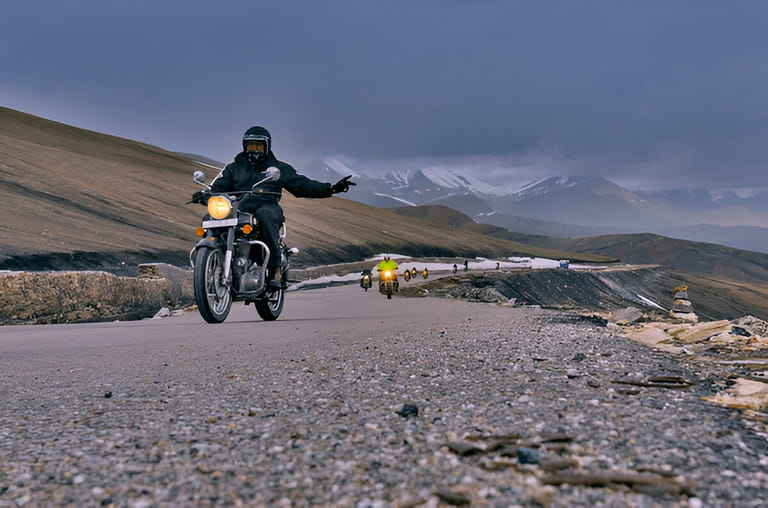
Acute Mountain Sickness in Ladakh is the secret companion of every high-altitude adventure. AMS in Ladakh is unpredictable, yet completely manageable when you are well prepared. Ladakh height from sea level is a whopping 11,000 feet, where monasteries such as Diskit Monastery and passes, namely Khadrung La, come together to offer a memorable experience.
Altitude sickness in Ladakh happens when you ascend too quickly to high-altitude places without allowing your body to adjust to the thin air and low oxygen levels. Travelers booking Leh Ladakh tour packages should consider extra precautions and safety measures to avoid early signs of AMS.
Understanding the symptoms, causes, and prevention of acute mountain sickness in Leh Ladakh ensures your journey remains as safe as it is spectacular. From acclimatization to types of altitude sickness in Ladakh, this blog will take you through all the necessary details.
Best Selling Ladakh Tour Packages
What Is Acute Mountain Sickness in Ladakh?
Acute Mountain Sickness (AMS) is the most common form of altitude sickness that occurs to individuals who ascend to high altitudes too quickly (typically over 2,500 metres). The condition is caused when the body does not get enough time to acclimatize and adjust to the changes in air pressure and low oxygen levels at such heights.
Popular places to visit in Ladakh, such as Leh, sit at an elevation of over 3,500 metres (11,500 ft) above sea level. Oxygen levels at these altitudes drop very significantly due to low atmospheric pressure, making it difficult for the body to absorb enough oxygen.
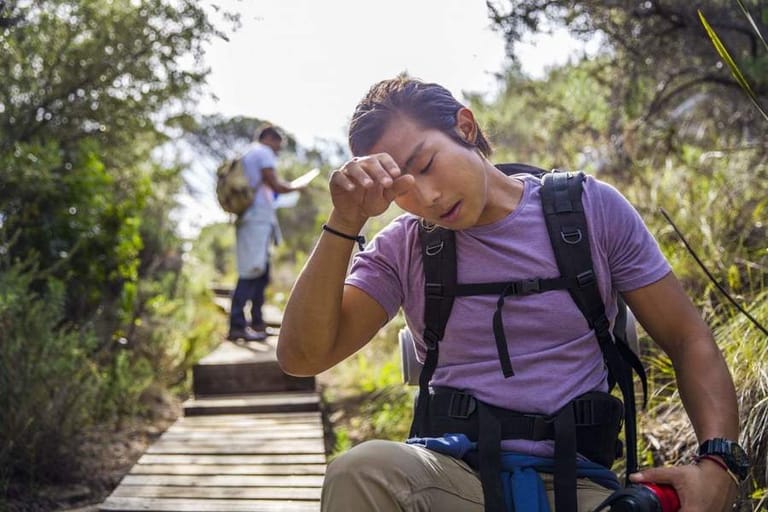
As a result, you may start feeling symptoms like headache, dizziness, nausea, shortness of breath, and fatigue. Understanding Acute Mountain Sickness in Leh Ladakh is crucial for a safe Leh Ladakh bike trip, road trip or if you are planning to indulge in treks or high altitude excursions.
Why Acute Mountain Sickness Happens In Ladakh?
1. Rapid Ascent & Poor Acclimatization: Rapid ascent is the primary reason for Acute Mountain Sickness (AMS) in Ladakh. Many iconic places and hidden gems of Ladakh are located at higher than 3,500 metres, where oxygen availability is significantly lower than at sea level.
Without having sufficient time to acclimatize and adjust to reduced oxygen pressure, the body struggles to maintain normal oxygen saturation, triggering Ladakh altitude sickness symptoms.
2. High-Altitude & Thin Air: Extreme elevation and thin air of Ladakh is another cause of mountain sickness in Ladakh. Many places in this region, including Leh, sit at high elevations where atmospheric pressure is extremely low.
Called hypobaric hypoxia, this condition makes the body work harder to absorb oxygen and maintain the required levels. Until your body gets proper time to acclimatize, early signs of AMS will kick in.
3. Physical Exertion: Physically draining activities such as trekking, hiking or climbing in high altitude areas put extra strain on the body, especially in the initial days. The body is already struggling to absorb oxygen, overexertion can accelerate Leh altitude sickness.
4. Dehydration and Cold: Since Ladakh is a cold desert, its dry and cold climate with low humidity can cause dehydration and fluid loss. This can lead to thick blood and poor circulation, accelerating acute mountain sickness in Leh Ladakh.
5. Alcohol And Smoking: Alcohol consumption and smoking are two of the worst enemies of altitude sickness in Ladakh. Alcohol contributes to dehydration and poor breathing whereas smoking affects lungs, increasing acute mountain sickness symptoms.
6. Sleeping At High Altitudes: One motto you should swear by on your trip to Leh Ladakh is “climb high, sleep low.” Sleeping at higher altitudes at night aggravates mountain sickness in Ladakh, when breathing is naturally slow.
What Counts As High Altitude?
- High - 2,500 to 4,000 metres (8,000 to 13,000 feet)
Places: Leh, Kargil, Diskit, Lamayru
Ideal Time To Spend: Multiple days with proper acclimatization
- Very High - 4,000 to 5,500 metres (13,000 to 18,000 feet)
Places: Pangong Lake, Tso Moriri, Hanle
Ideal Time To Spend: 7-8 hours or more with proper acclimatization
- Extremely High - over 5,500 metres (over 18,000 feet)
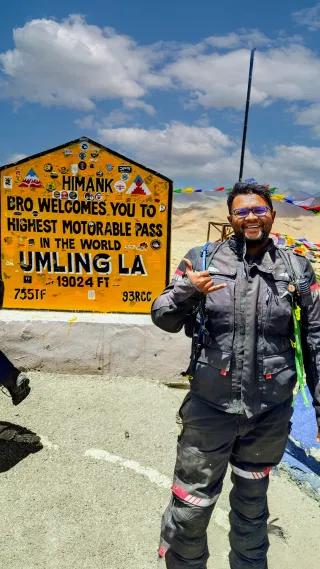
Places: Chang La, Umling La, Khardung La Pass
Ideal Time To Spend: Not more than 15-20 minutes; prolonged exposure can lead to severe sickness
Types of Altitude Sickness: AMS, HAPE, and HACE Explained
Altitude sickness isn’t just one thing; it comes in different forms, and while some are mild, others can be life-threatening if ignored. Here's what you need to know:
1. Acute Mountain Sickness - Mild to Moderate
Acute Mountain Sickness in Ladakh is one of the most common and earliest forms of altitude sickness. It occurs when an individual ascends quickly above 2,500 metres without proper acclimatization. This type includes early signs of AMS that show within 6 - 12 hours of ascent.
You may feel slight discomfort like a low-grade headache, fatigue, or a general feeling of unease. These symptoms usually don’t interfere with daily activities and often fade once your body acclimates to the thin air.
Common Symptoms of Acute Mountain Sickness:
- Headache (mandatory diagnostic symptom)
- Vomiting
- Fatigue
- Difficulty sleeping
- Nausea and loss of appetite
- Dizziness or lightheadedness
- Shortness of breath on exertion
- Reduced exercise tolerance
- Increased heart rate (tachycardia)
- Difficulty concentrating
- Mild confusion
- Reduced urine output
These symptoms are usually reversible with proper rest, hydration and no further ascent. Don’t indulge in any physical activity even if you experience any one of these symptoms of AMS.
2. HAPE (High Altitude Pulmonary Edema) – Fluid in the Lungs
High Altitude Pulmonary Edema (HAPE) is a serious condition where fluid builds up in your lungs due to high altitude. HAPE symptoms typically 2 - 5 days of rapid ascent above 3,000 metres. It can cause breathlessness even at rest, a persistent cough, chest tightness, and extreme fatigue. It’s more dangerous and needs immediate descent and medical attention.
Symptoms of High Altitude Pulmonary Edema (HAPE)
- Breathlessness at rest
- Persistent dry cough
- Frothy or pink sputum
- Chest tightness
- Crackling sounds in lungs
- Blue lips or fingernails (cyanosis)
- Extreme fatigue
- Rapid heartbeat
HAPE is life-threatening and requires immediate descent and oxygen support.
3. HACE (High Altitude Cerebral Edema) – Fluid in the Brain
This is the most severe and rare form of altitude sickness. It happens when the brain starts to swell due to lack of oxygen. Symptoms include confusion, loss of coordination, hallucinations, and even unconsciousness. Like HAPE, HACE is a medical emergency and requires fast descent and oxygen.
Symptoms of High Altitude Cerebral Edema
- Severe headache
- Severe confusion
- Slurred speech
- Loss of coordination (cannot walk in a straight line)
- Severe drowsiness
- Hallucinations
- Loss of consciousness
HACE can be fatal, and it requires immediate descent and oxygen support.
Common Symptoms Of Altitude Sickness In Leh Ladakh
High altitude sickness in Leh Ladakh usually begins with a sense of confusion and fatigue, but Ladakh altitude sickness symptoms can vary from person to person. To help you stay alert and prepared before your Ladakh trip, here’s a complete list of possible symptoms of acute mountain sickness in Leh Ladakh you might experience:
- Headache
- Dizziness or lightheadedness
- Nausea or vomiting
- Fatigue
- Shortness of breath
- Disturbed sleep
- Rapid heartbeat (palpitations)
- Lack of coordination
- Chest tightness
- Bluish lips or fingertips
- Wheezing or congestion
- Irritability or confusion
- Loss of appetite
- Reduced exercise tolerance
- Mild swelling of face or hands
- Reduced urine output
- Severe confusion
- Severe confusion
- Loss of coordination
- Severe drowsiness
- Hallucinations
- Loss of consciousness
- Breathlessness at rest
- Frothy or pink sputum
- Crackling sound in lungs
- Extreme fatigue
Suggested Read: How to Plan an Ultimate Trip to Leh Ladakh- All FAQs Answered
How To Prevent Acute Mountain Sickness In Ladakh?
Thinking about how to avoid AMS in Ladakh? While you're packing your winter jackets and charging your camera for those stunning views, don’t forget to pack a little awareness about altitude sickness too. Here’s how to stay ahead of it:
1. Make Sure To Acclimatize
Acclimatization is the essential key to preventing altitude sickness in Ladakh. Make time in your itinerary for at least 1-2 full acclimatization days in Leh to help your body adjust and reduce the risk of Leh Altitude Sickness before starting your adventure.
Spend the first 24 - 48 hours in Leh (11,500 ft) relaxing. It is advisable to refrain from planning trips to higher altitudes, like Nubra Valley or Pangong Tso, immediately. Proper acclimatization allows the body to adjust to the high altitude and low oxygen level in Ladakh.
Another best treatment for AMS in Ladakh is to drink plenty of water and stay hydrated. Since Ladakh is a cold desert, thin air and low humidity can cause dehydration and fluid loss from the body.
Drinking 3 - 5 liters of water a day helps with dehydration and reduces common signs of acute mountain sickness in Ladakh. Other than water, you should consume ORS, herbal teas and soups to support hydration and energy levels.
If you are wondering how to avoid AMS in Ladakh, then gradual ascent is the answer. Leh, at an elevation of 3,500 meters, already exposes you to very high altitudes. Rapidly elevating ascent without proper acclimatization can trigger the symptoms of altitude sickness.
Once above 3,000 meters, it is advised to increase altitude by no more than 600–1,000 meters per day with at least 1-2 days of proper acclimatization. Sleeping altitude should not be increased by 300 meters. You may climb higher altitudes, such as Khardung La Pass, during the day but always descend to lower altitudes to sleep.
4. Choose The Correct Route
Another way to prevent AMS in Leh is by choosing the correct route; that is how you enter the region. Flying directly into Leh exposes you to sudden altitude changes, increasing the chances of altitude sickness in Ladakh. However, you can prevent it by adhering to proper Ladakh acclimatization tips.
If you are travelling by road, there are two routes to reach Ladakh, one via the Manali-Leh Highway and the other via the Srinagar-Manali Highway. The Manali Highway exposes you to rapid ascents, and on the other hand, the Srinagar Highway allows gradual ascents, allowing your body to adjust to the low oxygen level in Ladakh.
5. Avoid Alcohol And Smoking
Alcohol and smoking can aggravate the symptoms of AMS in Leh Ladakh, since your body is already coping with low oxygen levels and high altitude. Alcohol acts as a depressant and can worsen dehydration. On the other hand, smoking makes oxygen absorption difficult, making acclimatization tough.
Avoiding alcohol and smoking is a key precaution that helps with Leh altitude sickness. For a safe and healthy adventure, it is recommended to avoid alcohol and smoking, at least for the first few days.
One of the best answers to how to prevent altitude sickness in Ladakh is proper medication under medical guidance. Acetazolamide (Diamox) is the most frequently prescribed medicine for altitude sickness Ladakh, used for the treatment for AMS, by helping the body to adapt to high altitudes more quickly.
Your doctor may also prescribe other medications for other symptoms, depending on mild vs severe altitude sickness. However, medications are never a substitute for acclimatization. It is important to visit your physician prior to your trip to Ladakh for the appropriate dosage and type of medication based on your individual medical history.
When traveling to Ladakh, avoiding overexertion is critical to help prevent acute mountain sickness symptoms due to the lack of oxygen in the mountains. After arriving in Leh (3,500 meters), it is essential that travelers allow themselves to rest for the first 24–48 hours before participating in any strenuous activities such as trekking, biking, or quickly climbing stairs.
Overexertion increases oxygen requirements and, therefore, causes increased symptoms of AMS, such as headache, shortness of breath, nausea, and fatigue. Even if you are visiting high-altitude attractions, such as Khardung La, you should move at a moderate pace, take frequent breaks, and listen to your body.
One of the best ways to prevent acute mountain sickness in Leh Ladakh is to maintain a proper diet. It is recommended to have light meals and higher carbohydrates, that are easily digestible and maintain sources of energy.
Complex carbohydrates (rice, chapati/bread, potato and/or soup) assist in utilizing oxygen, reducing fatigue. Also, it is important to consume plenty of warm fluids, fresh fruit, and vegetables while at altitude, as this will improve digestion and hydration.
Also Read: How to Plan a Memorable Family Trip to Leh Ladakh in 2025
Medicines and Remedies for Altitude Sickness in Leh Ladakh
With the right remedies and medicine for altitude sickness Ladakh, you can manage the high altitude sickness in Leh Ladakh well or even avoid it altogether.
Which medicine is best for a ladakh trip?
- Diamox (Acetazolamide) – One of the most commonly recommended preventive medicines. It helps the body acclimatize faster.
Tip: Start taking it one day before reaching Leh, only after consulting a doctor.
- Paracetamol or Ibuprofen – For managing mild headaches and body aches that come with AMS.
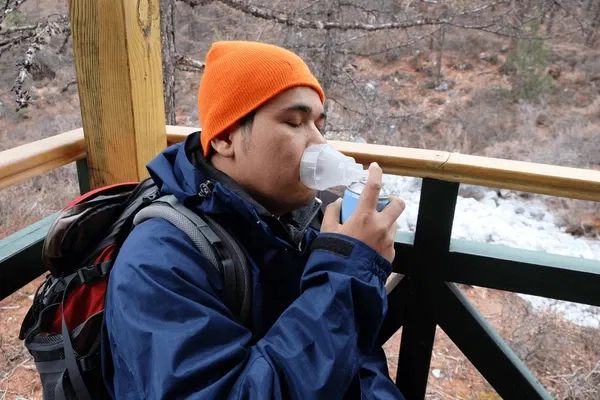
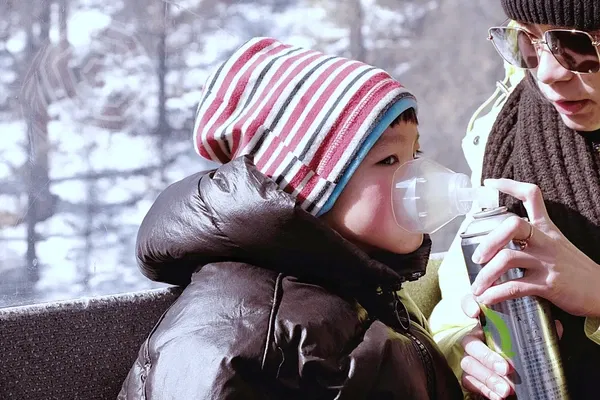
- Oxygen Cylinder or Portable Oxygen Canisters – If you're struggling with breathlessness, especially in places like Pangong Lake or Khardung La, these can be lifesavers. You can rent portable oxygen cylinders in Leh.
- Camphor or Garlic Capsules – Old-school but still effective for some people. Locals often use camphor or garlic as natural breathing aids.
- ORS or Glucose Powder – To keep you hydrated and energized, especially if you’ve been vomiting or feeling drained.
- Ginger or Lemon Tea – Helps with nausea and keeps you warm too. It’s a great natural remedy and is easily available in most cafés.
Enjoy Reading: 15 Lakes to Visit During Ladakh Bike Trip in 2026: Ultimate Guide
How To Treat Acute Mountain Sickness In Ladakh?
To prevent or manage altitude sickness in Leh Ladakh, it is much better to stop climbing and let yourself acclimatize before continuing your ascent. By rushing up to high altitude, the body cannot cope with the decreased level of oxygen and becomes overworked.
This results in symptoms such as headaches, nausea or vomiting, dizziness, and fatigue. If you stop and rest at your current altitude, your body will have time to adapt naturally and quite often better than if relying on medication only.
In Ladakh, a very successful strategy for handling the symptoms of acute mountain sickness (AMS) is rest and hydration. Particularly in addition to fatigue, the adverse effects caused by the high altitudes can lead to dehydration, which may increase the symptoms (headaches, nausea and dizziness, etc.) of AMS.
Adequate rest allows the body to recover from previous exertion and enables it to naturally become acclimatized. In addition, drinking enough fluids is essential for maintaining oxygen levels in the body and will help prevent any complications associated with dehydration.
Acute mountain sickness (AMS) can also be managed through medication but only under a doctor's guidance. Medications that doctors prescribe for AMS include acetazolamide (Diamox), which helps with acclimatizing quickly to high altitudes and reduces AMS symptoms.
In some instances of altitude sickness in Ladakh, physicians may prescribe dexamethasone or supplemental oxygen with appropriate medical supervision. Prescribing medications may work for some individuals, but they are never a substitute for gradual ascent, acclimatization, and hydration.
One of the best treatments for acute mountain sickness in Ladakh is to rapidly descend or reduce altitude. Rapidly descending reduces the body’s oxygen debt and immediately resolves many serious symptoms of AMS, including severe headache, difficulty breathing, nausea/vomiting, and mental confusion.
Just a few hundred meters of vertical descent can greatly increase the chances of recovery from severe AMS. Although medications, rest, and hydration can aid in acclimatization to the new, higher altitude, descending is the only way to definitively treat life-threatening AMS and ensure continued safety in the high-elevation areas of Ladakh.
- Rapid ascenders
- Individuals with previous AMS history
- Pre-existing health conditions
- Low physical fitness
- Poor hydration
- Age and gender factors
- Certain lifestyle factors
Best Itinerary To Avoid Acute Mountain Sickness In Ladakh
This is one of the best itineraries you can follow to avoid AMS in Leh.
Day 0–1: Arrive in Leh (3,500 m), complete rest, no sightseeing.
Day 2: Light acclimatization in Leh; short walks only.
Day 3: Leh local sightseeing; easy short hikes; stay in Leh.
Day 4: Drive to Nubra Valley via Khardung La; overnight in Diskit/Hunder (3,200 m).
Day 5: Explore Nubra Valley; moderate activity; overnight in Nubra.
Day 6: Return to Leh; rest and light walks.
Day 7+: High pass excursions (Pangong Lake, Tanglang La) after proper acclimatization.
What Is The Oxygen Level In Ladakh?
Oxygen Level in Ladakh by Location
- Leh (3,500 m / 11,500 ft): ~13–14% oxygen in inhaled air (compared to 21% at sea level)
- Nubra Valley (3,200–3,500 m): ~13–14% oxygen
- Pangong Lake (4,350 m / 14,270 ft): ~12% oxygen
- Khardung La Pass (5,359 m / 17,582 ft): ~10–11% oxygen
Conquering Ladakh’s Heights: Staying Safe and Enjoying the Journey
Acute mountain sickness in Ladakh is a common challenge that you may face during your memorable Leh Ladakh trip. The region is stunning, surreal, and sitting way up there — literally! With the Ladakh height from sea level around 11,500 ft, it’s no surprise that Acute Mountain Sickness in Ladakh can sneak up on even the fittest of travelers. But don’t let that scare you. Just slow down, sip water and let your body catch up with your bucket list.
And hey, if you're planning that dream trip with expert guidance, check out WanderOn. We know the terrain, the tips, and all the hidden gems—minus the AMS in Leh drama.
So go ahead, conquer those passes, strike that mountain pose, and make memories that last longer than your oxygen level in Ladakh!